THE ART OF POSSIBLE
One person can change the world.
Dr. Marian Croak pioneered Voice over Internet Protocol, the technology that powers every internet call on earth. She holds over 200 patents. She created text-to-donate, which raised $43 million after the 2010 Haiti earthquake. She leads Responsible AI at Google. She is a Black woman who birthed the future we live in today, and is still shaping the technology the next generation will inherit.
The Opportunity
A story hidden in plain sight.
As artificial intelligence reshapes industries and accelerates the pace of innovation, audiences are increasingly seeking deeper understanding of the people whose ideas built the technological foundations of today. In partnership, Google and Creative Theory Agency recognized a powerful opportunity to spotlight Dr. Marian Croak’s contributions to communication technology.
The project set out to illuminate the human experiences behind major technological advancements, demonstrating the role of inclusive leadership in shaping innovation.
The Challenge
The ambition was to create a documentary that feels deeply personal, widely inspirational, and culturally relevant.
Creative Theory Agency was tasked with crafting a narrative that could translate complex technical achievements into emotionally resonant storytelling, honor Marian’s legacy while emphasizing her influence on future generations, reveal formative memories and unseen moments from her career journey, and balance cinematic authenticity with innovative storytelling tools.
CTA’s Role
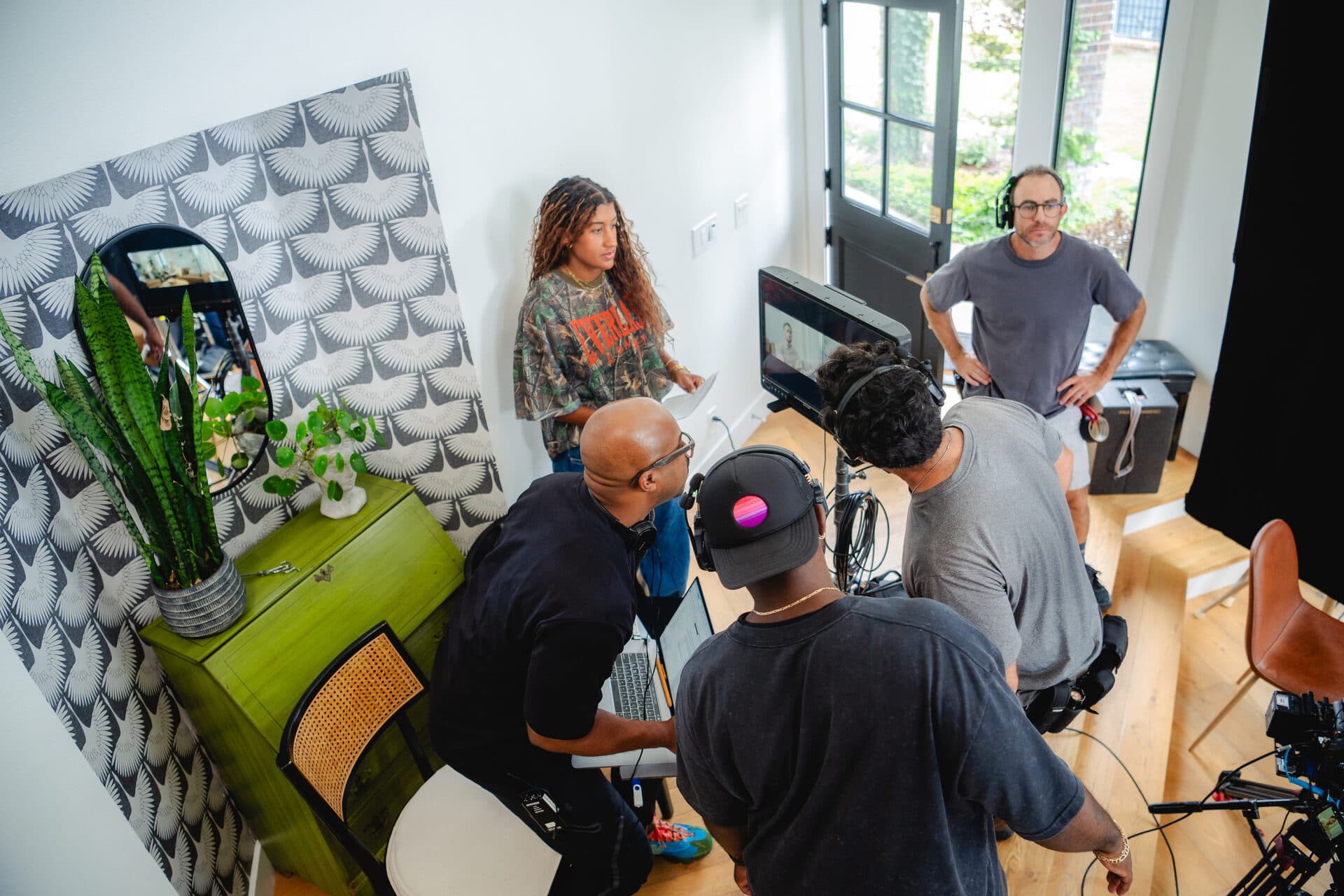
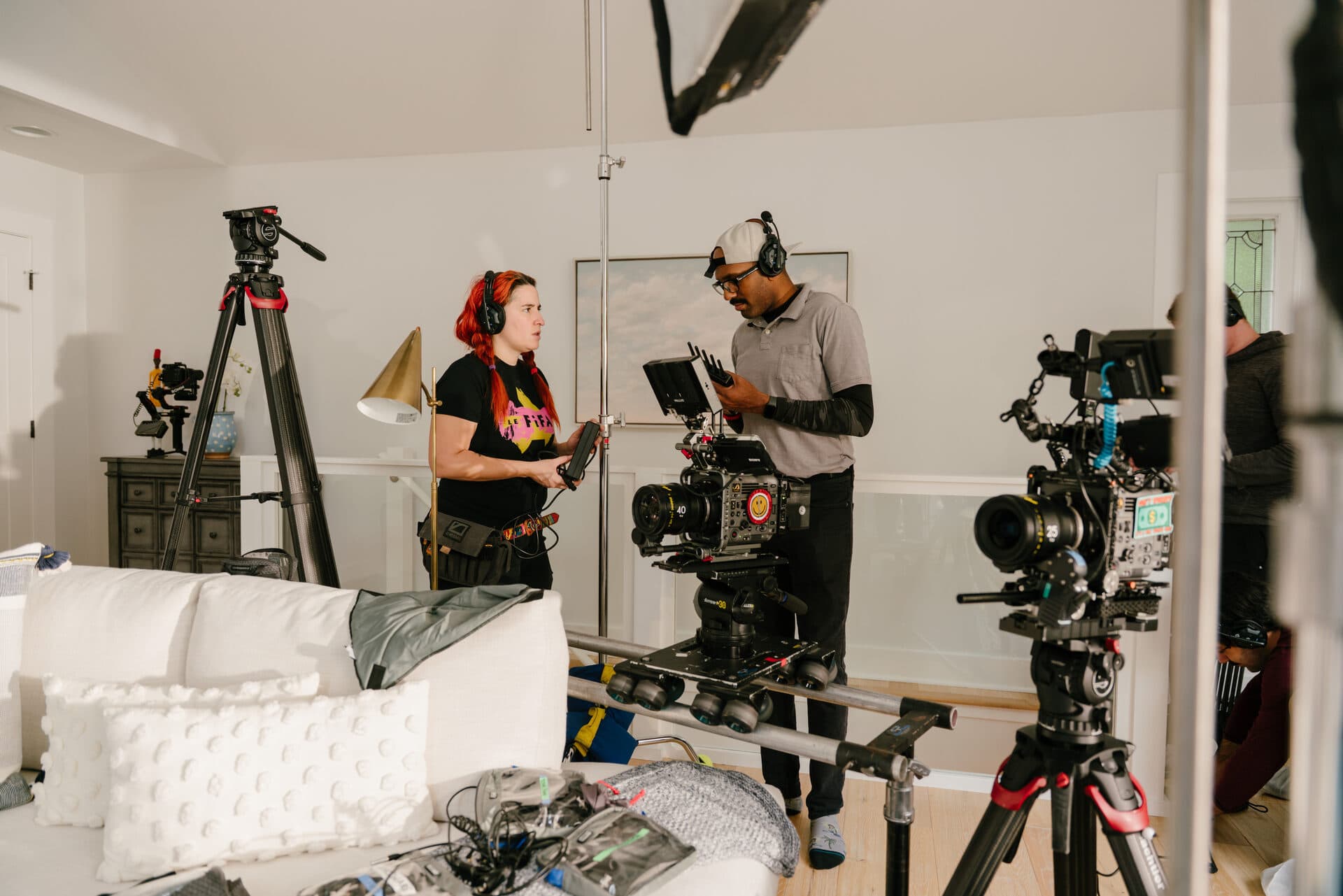
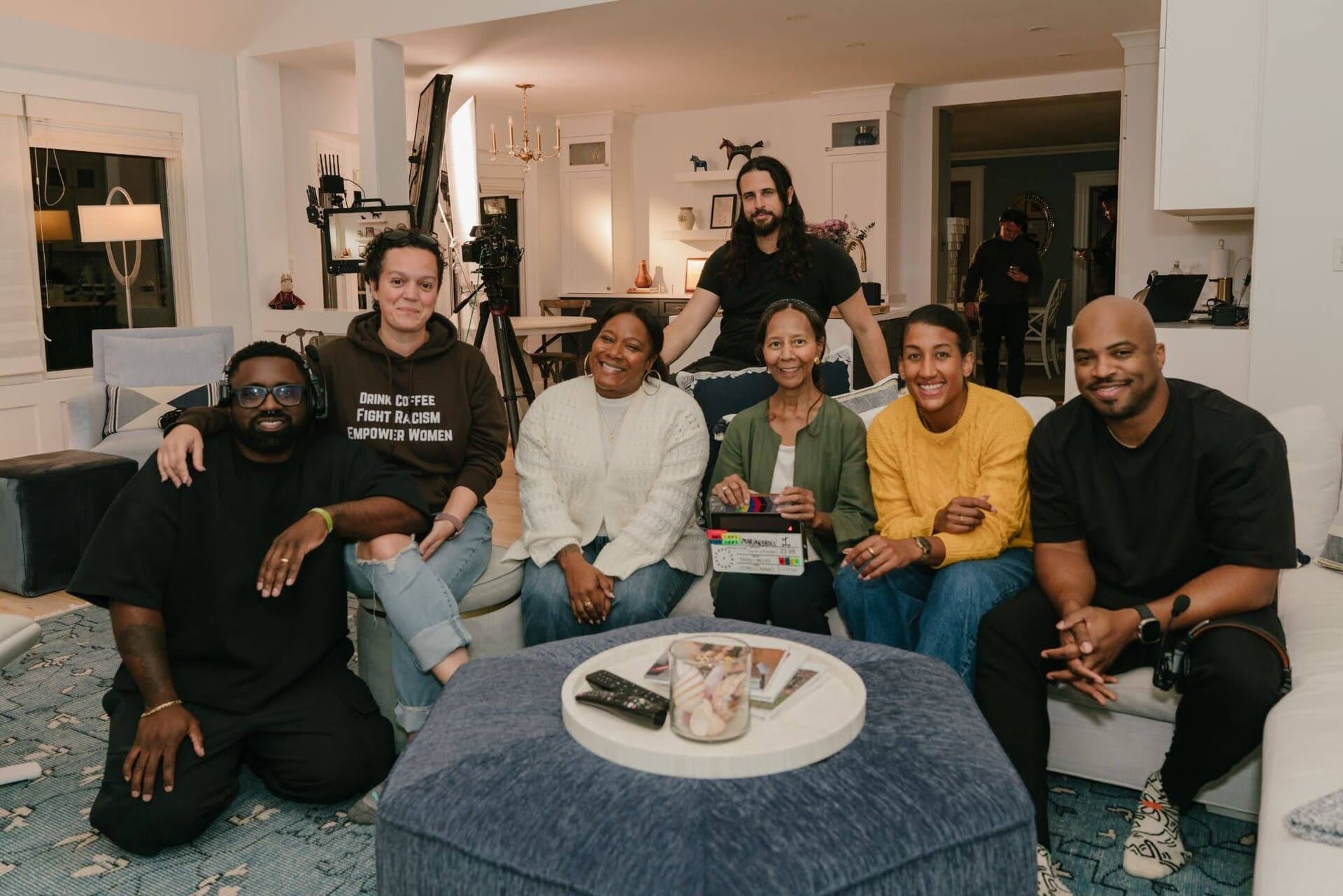
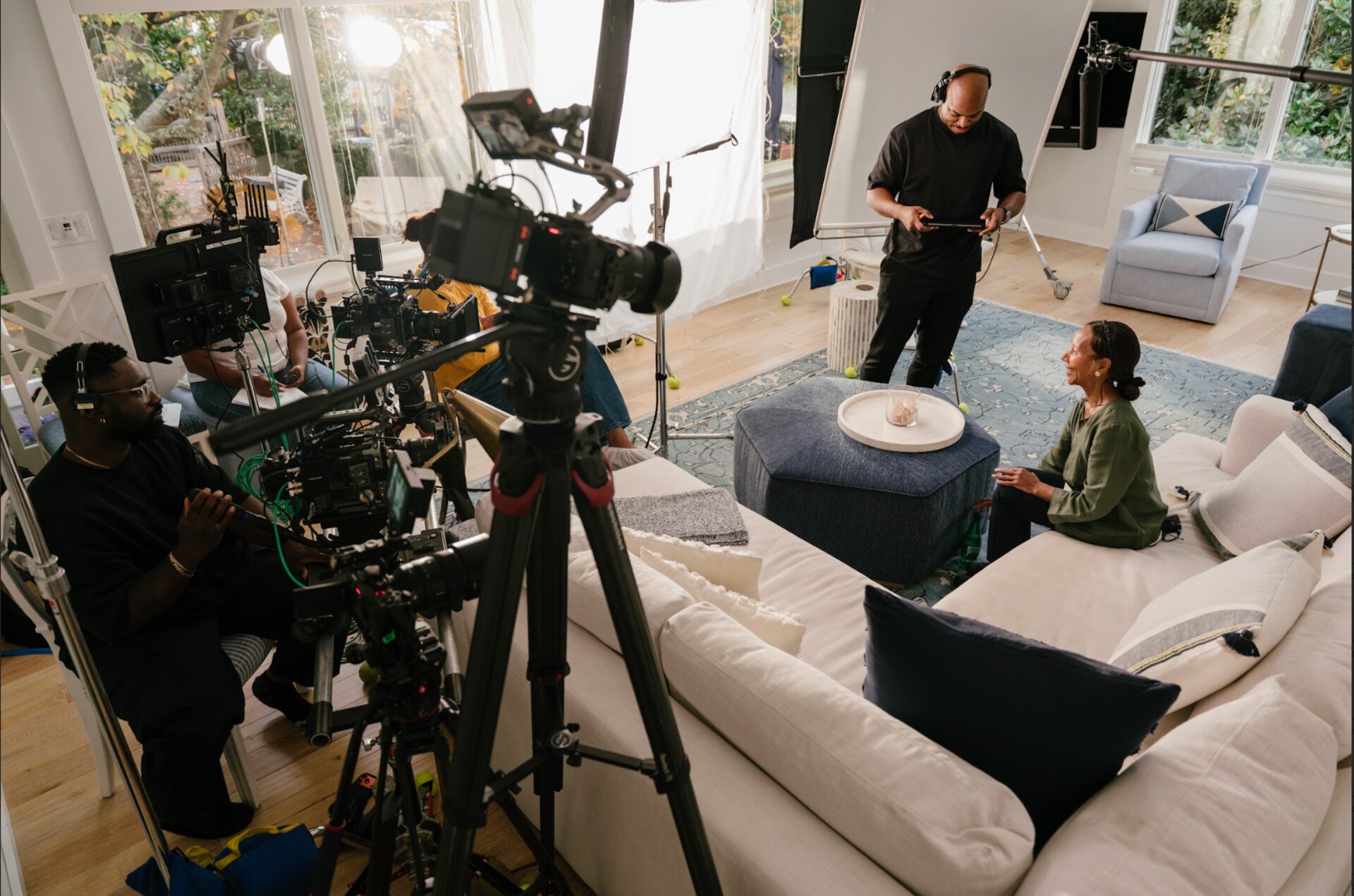
Creative Theory Agency led the creative strategy, narrative development, and production of the documentary. The team conducted extensive research into Dr. Croak’s career, secured exclusive interviews, and shaped the film’s emotional arc from concept through final delivery.
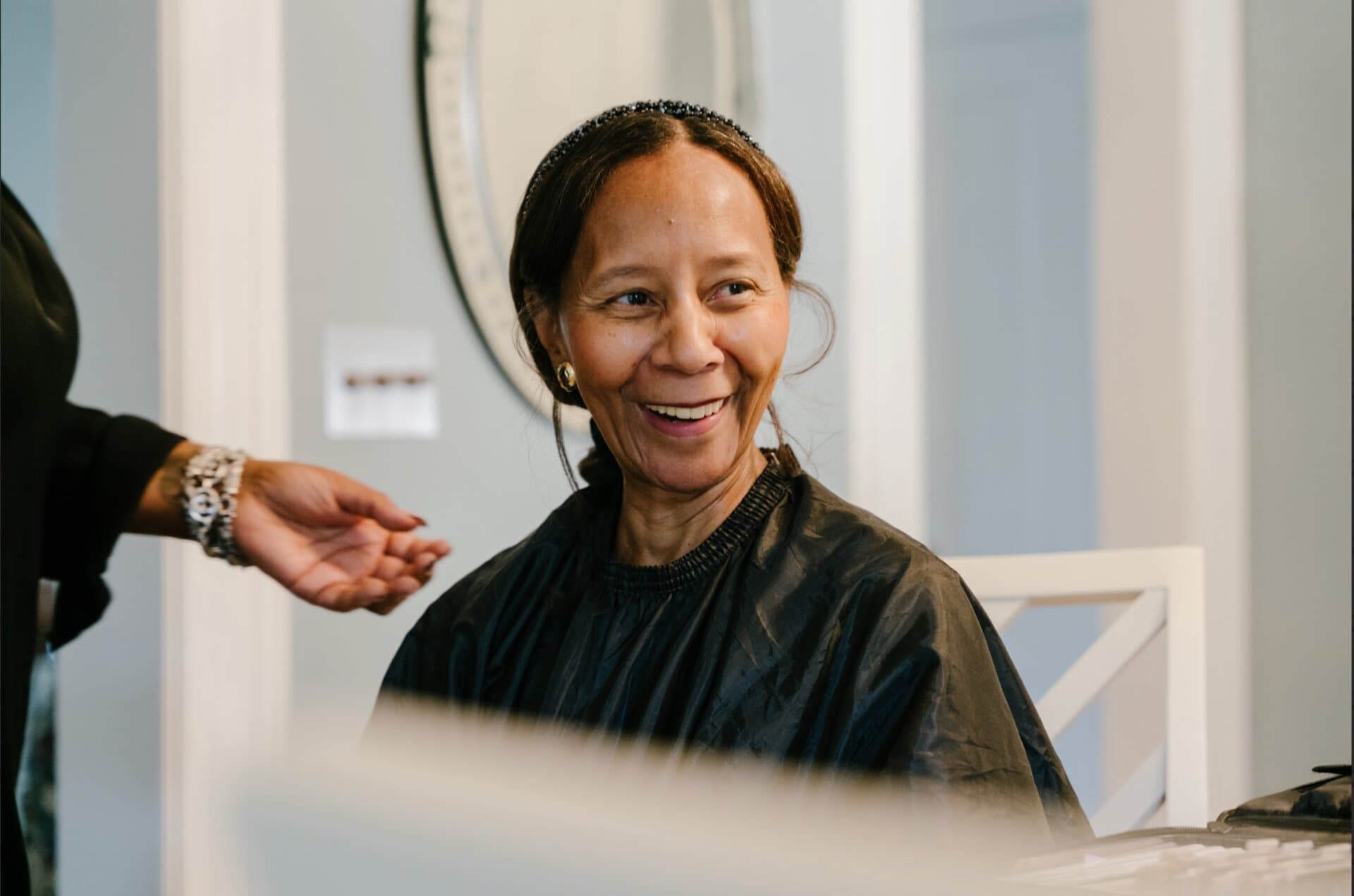
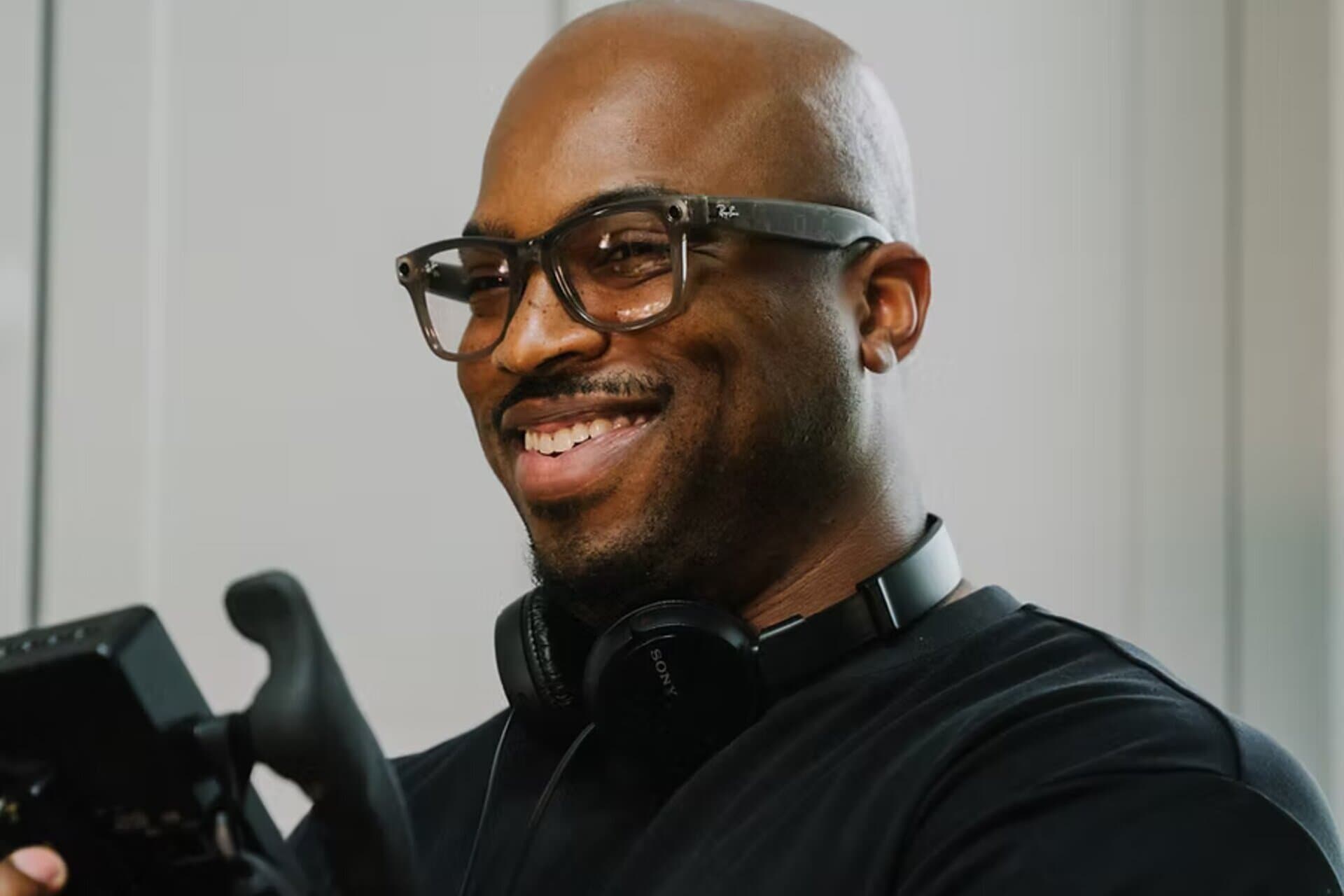
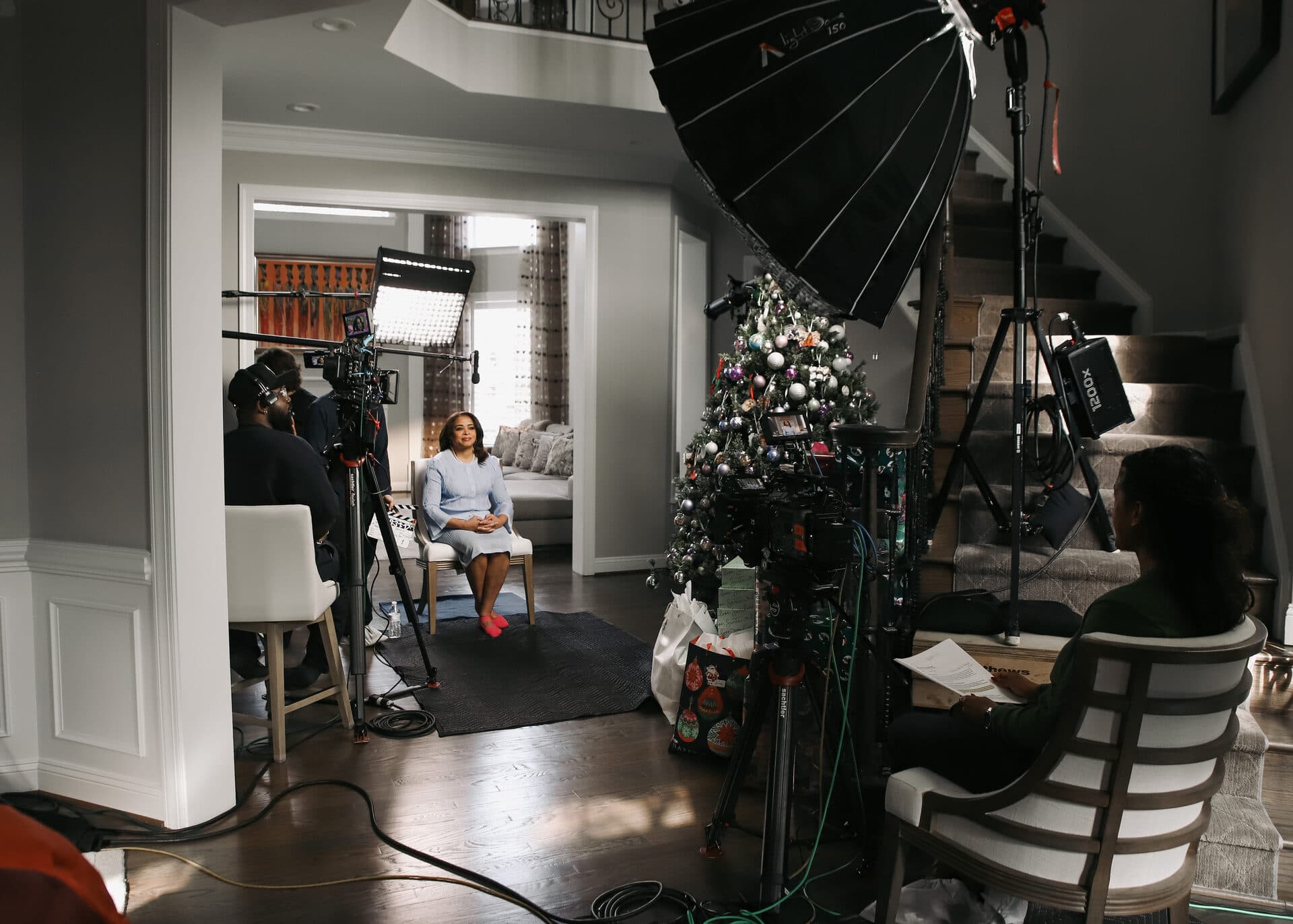
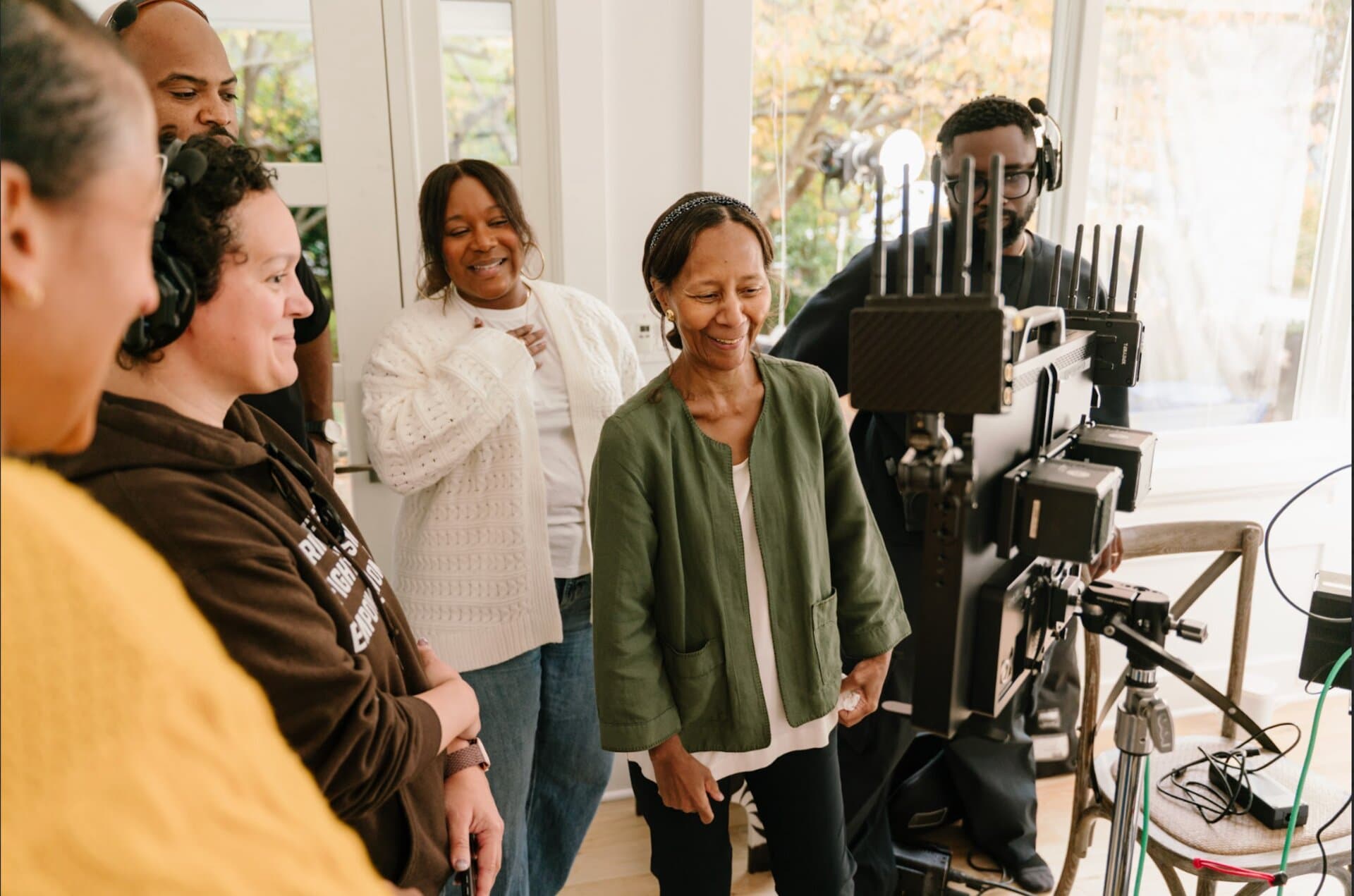
The Strategic Approach
Creative Theory Agency built a storytelling framework centered on Marian’s voice and lived experiences, using emerging creative tools to deepen audience connection. AI-generated visualizations were introduced as a narrative lens, enabling audiences to step inside defining moments that shaped her leadership philosophy.
The strategy was designed to move viewers from curiosity to admiration to motivation.

The Impact
The Marian Croak documentary helped bring renewed visibility to one of the most influential innovators shaping modern communication technology. It reached 38,500+ YouTube views, earned coverage in Essence, EBONY, The Root, and EURweb, and was celebrated by Google Research on International Women's Day. In 2026, Dr. Croak was awarded the IEEE Founders Medal, amplifying the film's cultural relevance at exactly the right moment. The film was also shortlisted for a People's Telly Award.
“I want the next generation to inherit from the work I’ve done the belief that they can do it as well.”
Marian Croak, The Art of Possible
The Full Documentary
Shaping the Limitless Possibilities of Dr. Marian Croak. Released March 8, 2026 on International Women's Day.
ONE PERSON CAN CHANGE THE WORLD.
Dr. Marian Croak holds over 200 patents. She pioneered VoIP, the technology behind every video call on earth. She created text-to-donate, which raised $43 million after the 2010 Haiti earthquake. She leads Responsible AI at Google. She is a Black woman who birthed the future we live in today, and is still shaping the technology the next generation will inherit. The Art of Possible puts her on film, in her own voice, so the people building tomorrow can see who built today.
A representation problem that extends beyond the workforce into the historical record itself.
In 2026, as AI dominates headlines and public anxiety around technology intensifies, audiences are asking harder questions: Who built this? Whose vision shaped it? Who has been left out of that story?
Dr. Croak’s life offers an answer and a correction. Black inventors, women technologists, foundational contributors: systematically underrepresented, under-credited, and under-known. The technology industry’s representation problem extends beyond the workforce into the historical record itself.
Google made a structural decision to partner with Creative Theory Agency, a Black-owned and staffed creative agency, to lead development. That was a decision about who should tell this story. Not a gesture.
A CINEMATIC DOCUMENTARY TOLD THROUGH THREE CHAPTERS
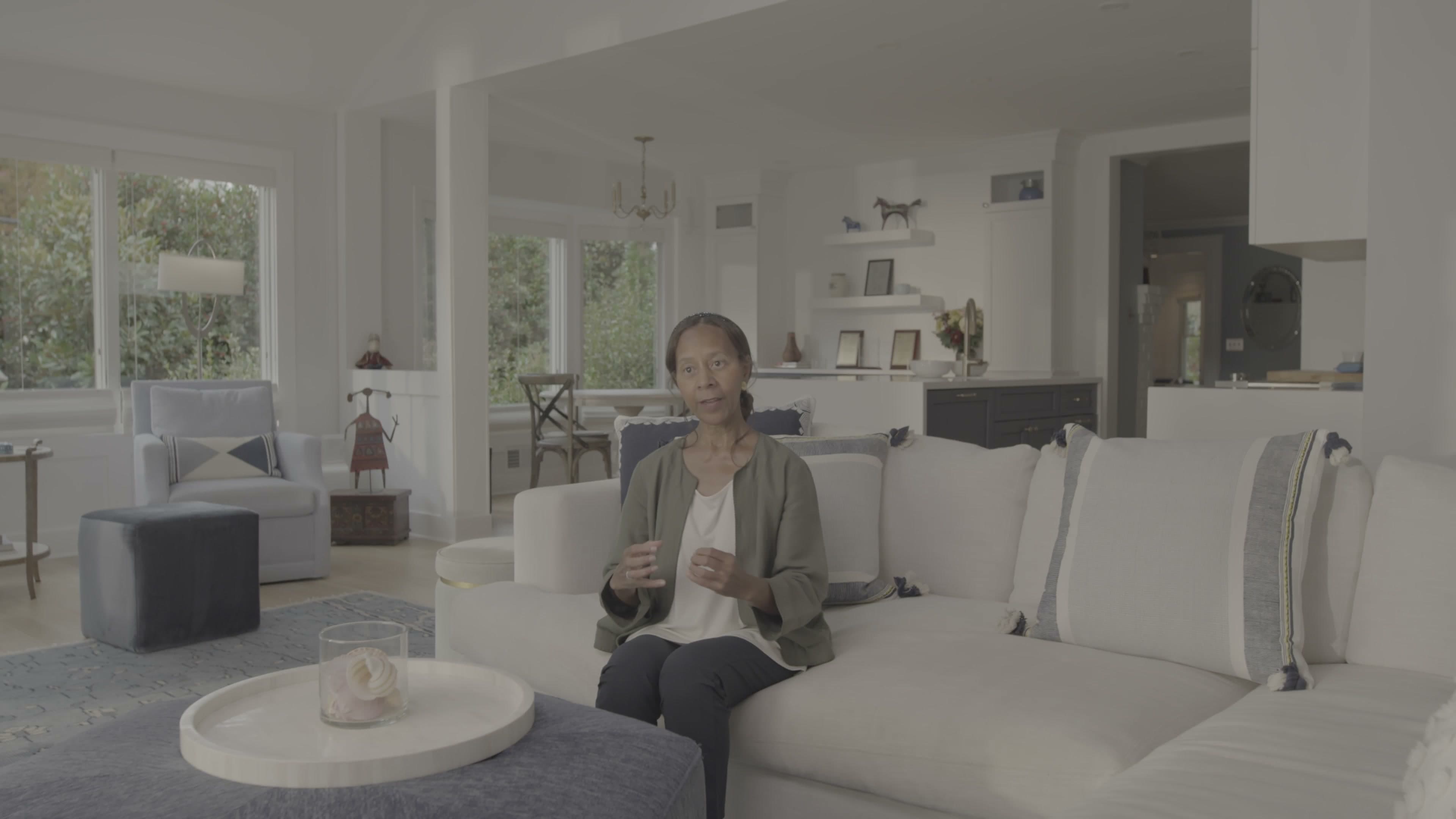
Released on International Women’s Day 2026, ‘The Art of Possible’ traces Dr. Croak’s journey from a childhood chemistry set in New York City through her formative years at AT&T Bell Labs to her current role leading Responsible AI at Google. The film combines intimate interview storytelling with AI-generated memory sequences created using Google Veo, reconstructing defining moments from her life that had never been documented.
Creative Theory Agency
- Strategic narrative development
- Creative direction and storytelling framework
- AI vignette concepting and production
- Full documentary production and post-production
- Social and content ecosystem design
The Innovation
AI-generated visualizations were introduced as a narrative lens, enabling audiences to step inside defining moments that shaped Marian’s leadership philosophy. The strategy was designed to move viewers from curiosity to admiration to motivation.
BUILT FOR THE FEED
The film launched with a social ecosystem. A 15-second cut engineered for the feed, formatted for every surface, paired with a behind-the-scenes carousel and collaboration posts across Creative Theory Agency, Google, and the production team. On LinkedIn and Instagram, the film traveled through Dr. Croak’s peers in tech and through the creative community that produced it.
THE NUMBERS
Dr. Marian Croak
Dr. Marian Croak is one of the most consequential inventors in the history of modern communication. She pioneered Voice over Internet Protocol (VoIP), the technology powering every internet call today. She holds over 200 patents. She created the text-to-donate infrastructure that has raised billions for disaster relief worldwide.
In 2022, she was inducted into the National Inventors Hall of Fame, one of the first two Black women ever inducted. In 2026, she received the IEEE Founders Medal, one of engineering’s most prestigious honors.
Now, as VP of Responsible AI at Google, she continues to ensure that advanced research is built on ethical foundations for the benefit of humanity.
“I’ve never measured my career by public recognition; I measure it by the intimate, one-on-one connections technology enables.”
Dr. Marian Croak, The Root
Equity and representation were foundational to how this story was developed and told.
Google partnered with Creative Theory Agency, a Black-owned and staffed agency, to lead creative development. That was a structural decision about who should tell this story, not a gesture. Dr. Croak is a Black woman whose foundational contributions to communication technology have been systematically overlooked. Creative Theory brought lived experience and cultural perspective that shaped the narrative voice, creative direction, and how her legacy would be framed for a broad audience.
The film does not reduce Marian to a symbol or a lesson in perseverance. It treats her as a full person whose work changed how billions of people communicate.
Trivell Miller
When I first came across Marian Croak’s story, it brought me back to the friendships I built growing up through platforms like Skype and ooVoo. Connections that, for many of us, still exist today. Realizing that so much of how we communicate traces back to her work created an immediate and personal bond with the subject.
My goal with this film was to bring Marian’s story to a wider audience while honoring the full scale of what she has accomplished. It is rare to encounter a pioneer whose work has so profoundly shaped global communication, yet whose name remains largely unknown. We structured the documentary around three chapters of her life: her early curiosity and the people who nurtured it, her formative years at AT&T Bell Labs, and her continued work at the intersection of human-centered design and emerging AI.
Visually and narratively, I wanted the film to feel grounded and accessible so viewers could connect not only with Marian’s achievements, but with the humanity behind them. Innovation is often framed as something distant or abstract, but at its core it is deeply human. My hope is that this film encourages audiences to look more closely at the people behind the systems we rely on every day, and to recognize that the future is often shaped by visionaries whose stories are just waiting to be told.